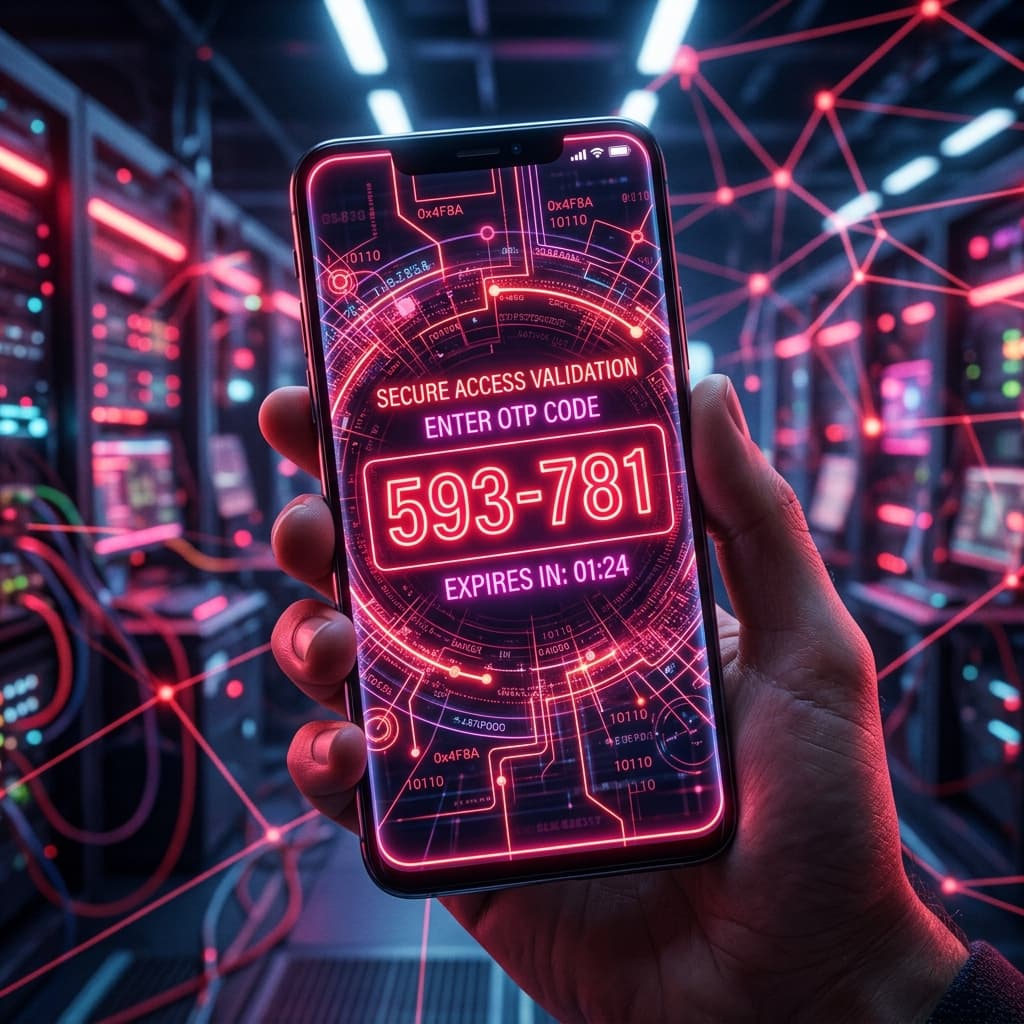
Phone verification is now the default gate for account creation across the consumer web. As a developer, understanding why platforms demand it — and why your test numbers keep getting rejected — is essential for building flows that work for real users and for automating your own QA.
Why Platforms Require a Phone Number
Verification phone numbers serve three legitimate purposes: regulatory compliance (some jurisdictions require proof of jurisdiction), fraud prevention (a phone number carries a real-world acquisition cost that bots dislike), and account recovery. From the platform’s perspective, a verified number is a stronger signal of a unique human than an email alone.
Why VoIP Numbers Get Blocked
Voice-over-IP numbers are software endpoints with identifiable routing metadata. Major platforms maintain continuously updated blacklists of VoIP prefixes and use protocols such as STIR/SHAKEN attestation to flag them. When a registration arrives from a known VoIP range, it is rejected instantly — which is great for the platform’s fraud metrics and terrible for your automation.
Key distinction: SIM-carrier-routed numbers present genuine mobile network metadata and pass validation that VoIP cannot. TempNova’s numbers are routed over physical SIM gateways for exactly this reason.
Designing Privacy-Respecting Verification
- Offer alternatives (email OTP, authenticator apps) so users without a phone are not excluded.
- Rate-limit verification attempts to blunt automated abuse without permanently blocking legitimate carriers.
- Store verification state server-side; never log the OTP or the full number longer than necessary.
- Allow users to remove the phone association after verification where your risk model permits.
Automating OTP in Your Test Pipeline
If you need to test registration end-to-end, allocate a SIM-routed virtual number via the TempNova API, poll (or receive a webhook for) the incoming SMS, parse the code, and complete the form — all without a physical device. This exercises the real production path instead of a stubbed bypass, so OTP regressions surface before your users do.
For users: If a service demands a number you would rather not share, a disposable SIM-routed number lets you complete verification while keeping your real line out of their database. Get a virtual number.